

Is it just me or is the media using the term “genius” way too often. It seems that if your successful at anything you’re a genius until the novelty wears off and then your back to being a regular schmuck like everyone else. Real geniuses are a rarity, and they bring their own baggage along with them. They are usually a genius in a specific area but in other areas not so much. I went to college with a guy who could pick up a #2 pencil and in mere minutes, completely copy works by Michaelangelo. It was effortless and left many of us absolutely amazed. What most people didn’t know was that he was something of a recluse. He hated groups of people and was barely able to attend classes. Many times, he would complete wonderful projects at his apartment and then contact his fellow students to deliver them to the teacher. He was unable to speak before groups of more than 2 or 3 without panicking. Was he a genius? Yes! Was he happy? I don’t honestly know.
I decided to checkout a few well know geniuses to get a better feel about how they handled their gift. Here are a few facts.
- The eccentric English chemist and physicist Henry Cavendish (1731-1810) had no appropriate instruments for that purpose, so he measured the strength of an electrical current in a direct way. He shocked himself with the electrical current and estimated the pain. He still managed to live to be nearly 80 years old.
- The first person to work out the manner in which a telescope handled light according to strict scientific principles was the German astronomer Johann Kepler. His eyesight was so bad, however, that it was useless for him to try to use a telescope himself.
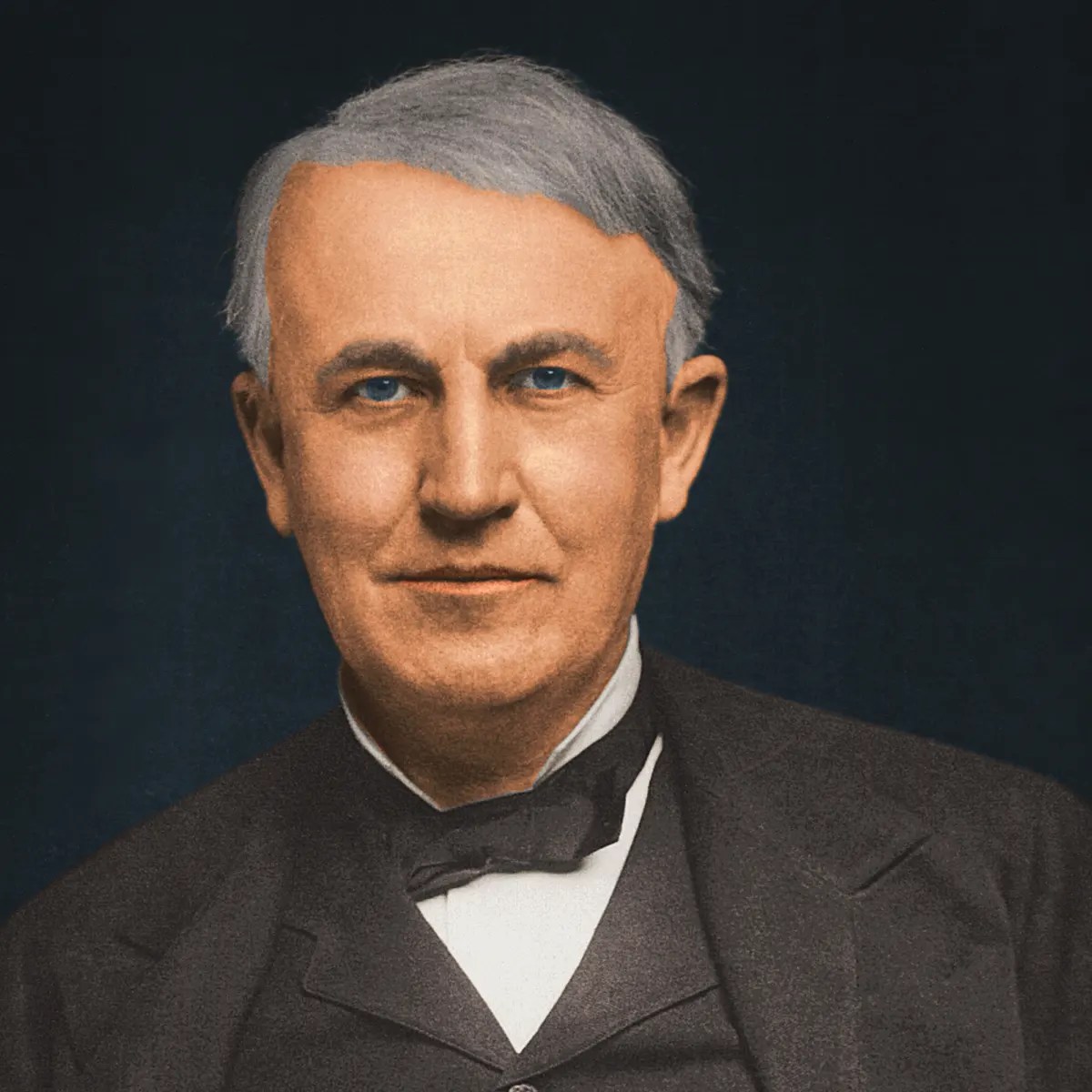
- Thomas Edison, who bordered on being totally deaf, do not think of the phonograph in terms of music and entertainment. He was interested in the business and educational potential of the invention.
- Henry Ford in 1921 proposed that milk be made synthetically. His disregard for dairy cows as being inefficient and unsanitary stemmed from unpleasant experiences on his father’s farm. Milking had been an exasperating and disagreeable labor.

- Charles Dickens believed that a good night’s sleep was possible only if the bed was aligned from north to south. In this manner, he thought, the magnetic currents of the earth would flow straight through the resting body.
- Geniuses require powers of concentration. But even that can be carried too far. In 1807, the mathematician Johann Karl Frederich Gaus was caught up in a problem while his wife lay sick upstairs. When the doctor told him his wife was dying, Gaus waved him away and never looking up from his problem, muttered, “Tell her to wait a moment till I’m through.”
- Louis Pasteur, whose work on wine, vinegar, and beer led to pasteurization, had an excessive fear of dirt and infection. He refused to shake hands, and he carefully whipped his plate and glass before dining.
- Sigmund Freud never learned to read a railway timetable. It was necessary that he be accompanied on any journey.


 everyuselessthing.com