

Over the last three years I’ve been forced by circumstance to become somewhat knowledgeable about the medical profession and its many practices. It’s not something I ever wanted to know but fear is a great motivator. It motivated me to do a great deal of research to find out exactly what all my health problems were and suggested remedies. The following 10 items will give you a short education on trivia concerning the medical profession that you might find interesting. It’s much better to read them in a blog posting than in person.
- The first contraceptive diaphragm – centuries ago – were citrus rinds – halves of oranges for example.
- Male embryos, fetuses, and babies have a higher incidence of morbidity than females. Correspondingly, there is a higher rate of language disability among boys than girls.
- Ketchup once was sold as a patent medicine. In the 1830s it enjoyed a measure of popularity in the United States as Dr. Miles Compound Extract of Tomato.
- Victims of disease -people and animals – are buried underground, and yet the soil remains fairly free of disease germs. Germs are destroyed by the bacteria and other microscopic organisms living in the soil.
- For every ounce of alcohol you drink, it takes an hour to regain full driving faculties, that is, normal, alert, clearheaded reactions. If you have 5 ounces of alcohol around 8 PM, you should not drive until at least 1 AM the following day.
- Influenza was so named because the cause of the disease was supposedly the evil “influence” of the stars. This “influence” was believed also to be the cause of plagues and pestilences.
- Opium frequently was used as a pain killer by army doctors during the U.S. Civil War. By the end of the war, according to conservative estimates, 100,000 soldiers were addicted to opium – at a time when the total population of the country was only 40 million.
- In 1777, George Washington had the entire Continental Army – then 4000 men- vaccinated. This action was considered controversial at the time because few American doctors believed in vaccination. It may have saved the Army as a fighting force.
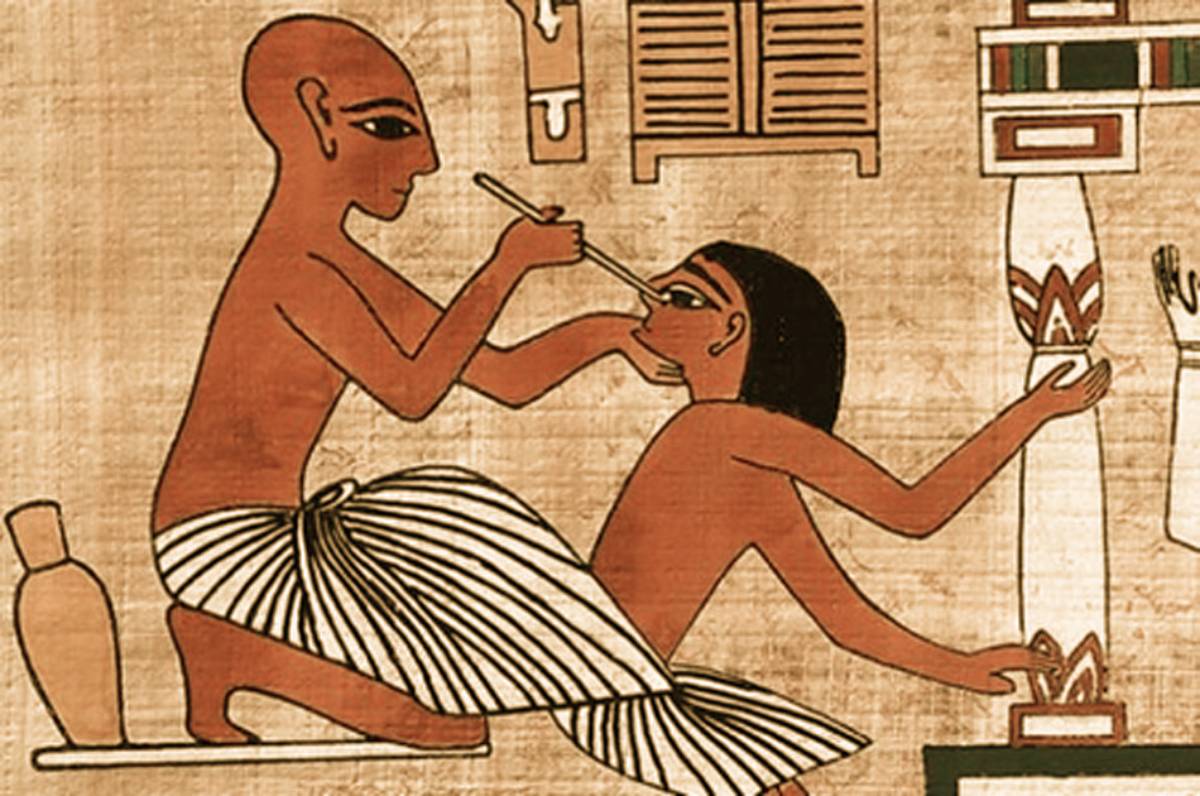
- The use of antibiotics did not begin in this century. Early folk medicine included the use of moldy foods or soil for infections. In ancient Egypt, for example, infections were treated with moldy bread.
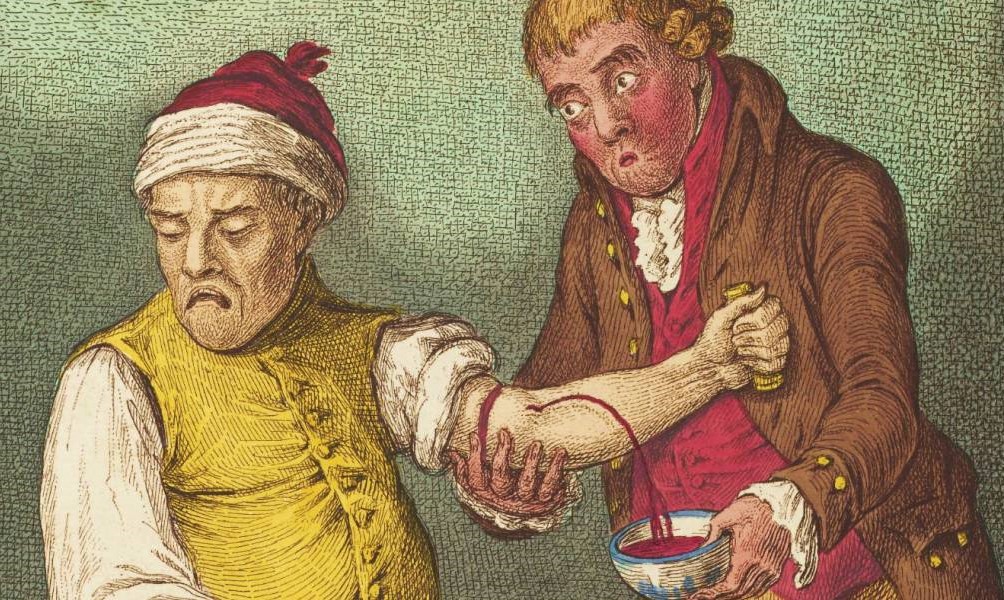
- About 8 ounces of lamb’s blood were injected into the veins of a dying boy, temporarily restoring him, in the first blood transfusion on record. It was performed in 1667 by Gene Baptiste Dennis, physician to King Louis XIV of France.
 everyuselessthing.com